Our work.
Four programmes, each with a named group of people, a defined set of activities and a record of what was delivered.
- Programme 1
- Women’s Empowerment Series
- Programme 2
- Back-to-School Initiative
- Programme 3
- Empowered Student Hygiene
- Programme 4
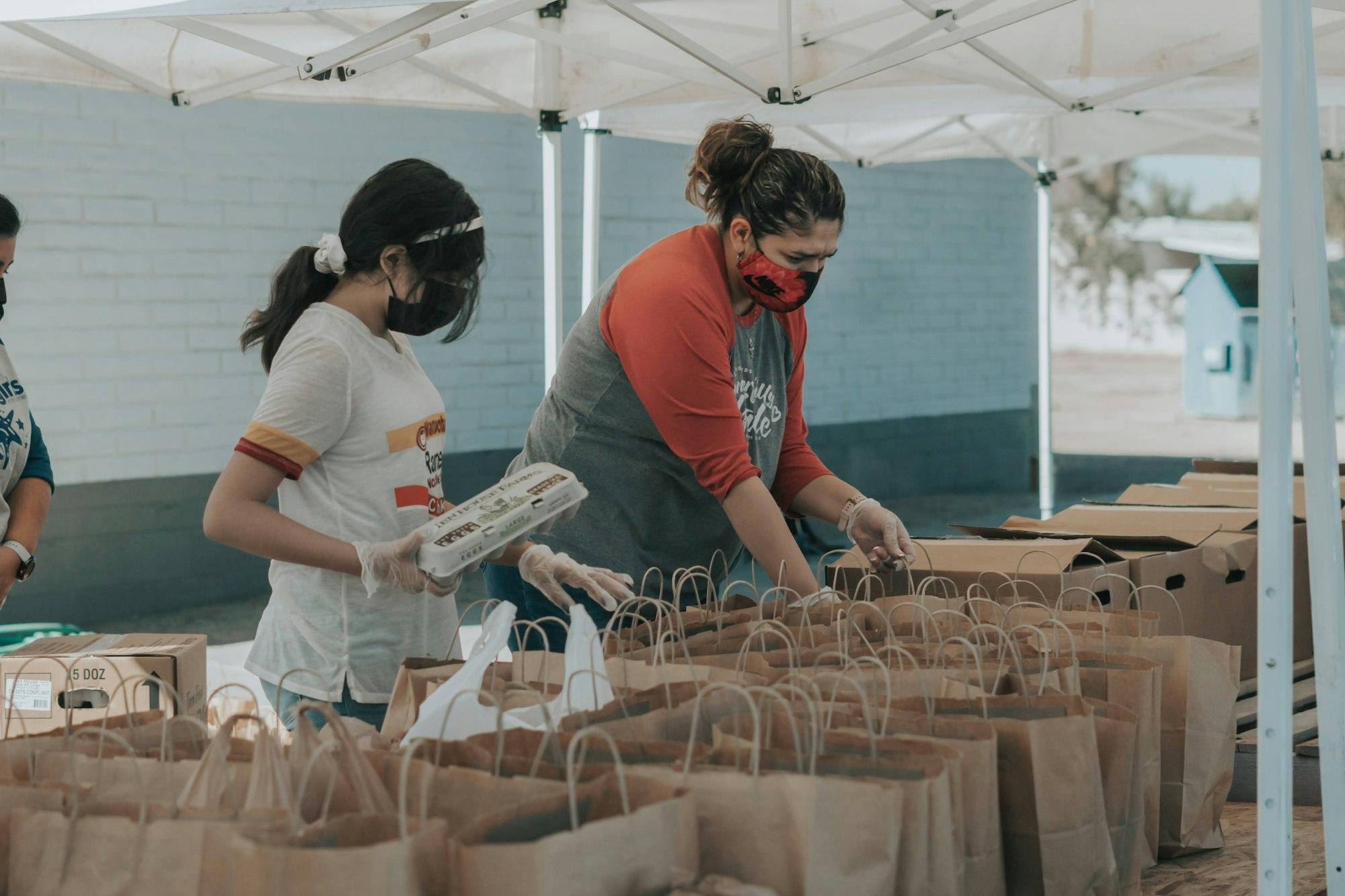
- Emergency Food Assistance
A programme session
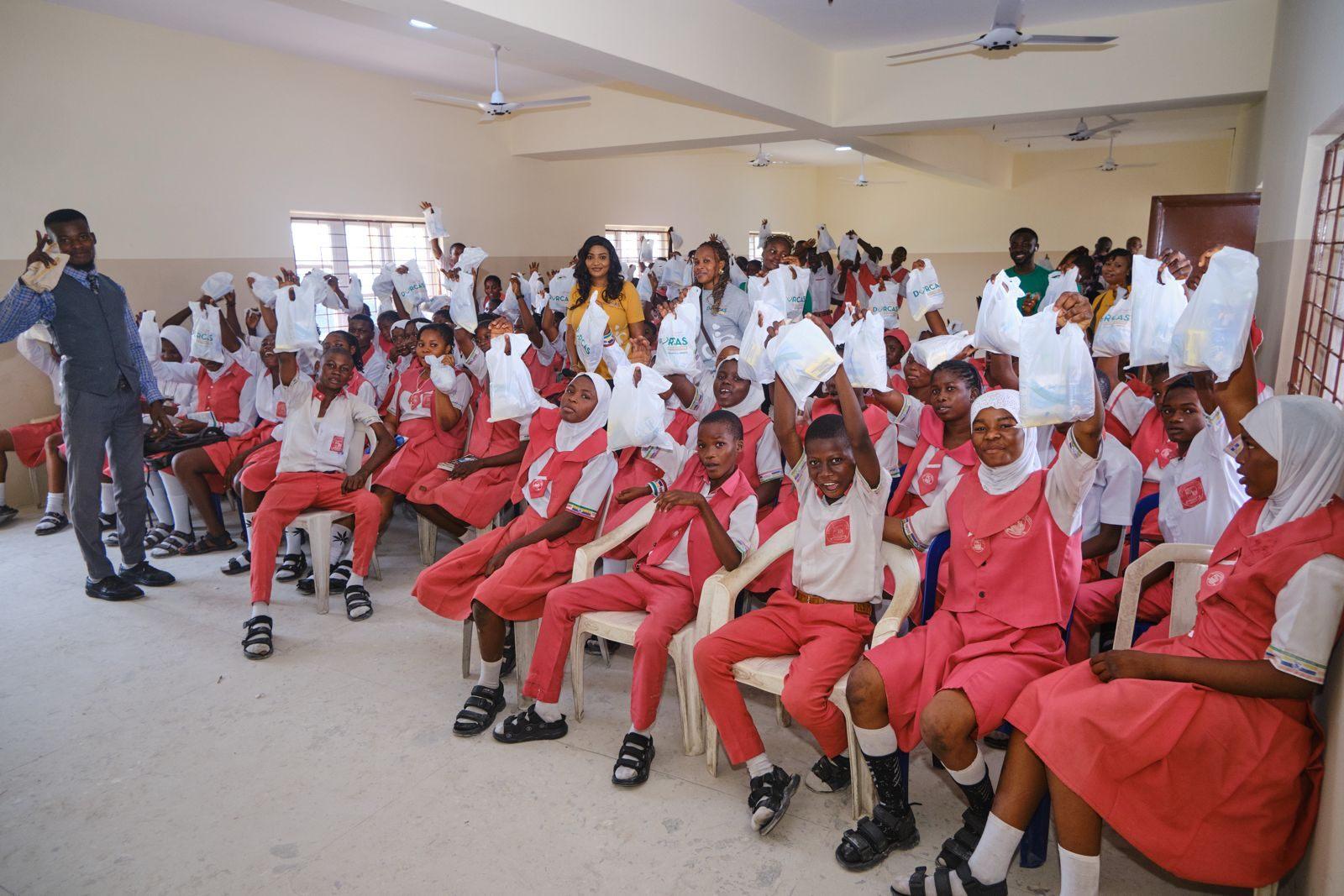
Women’s Empowerment Series.
Building pathways to income, confidence and greater economic independence.
The Series supports women who face barriers to formal employment or reliable income, helping them strengthen or establish small-scale livelihoods through practical business training, personal development and seed funding.
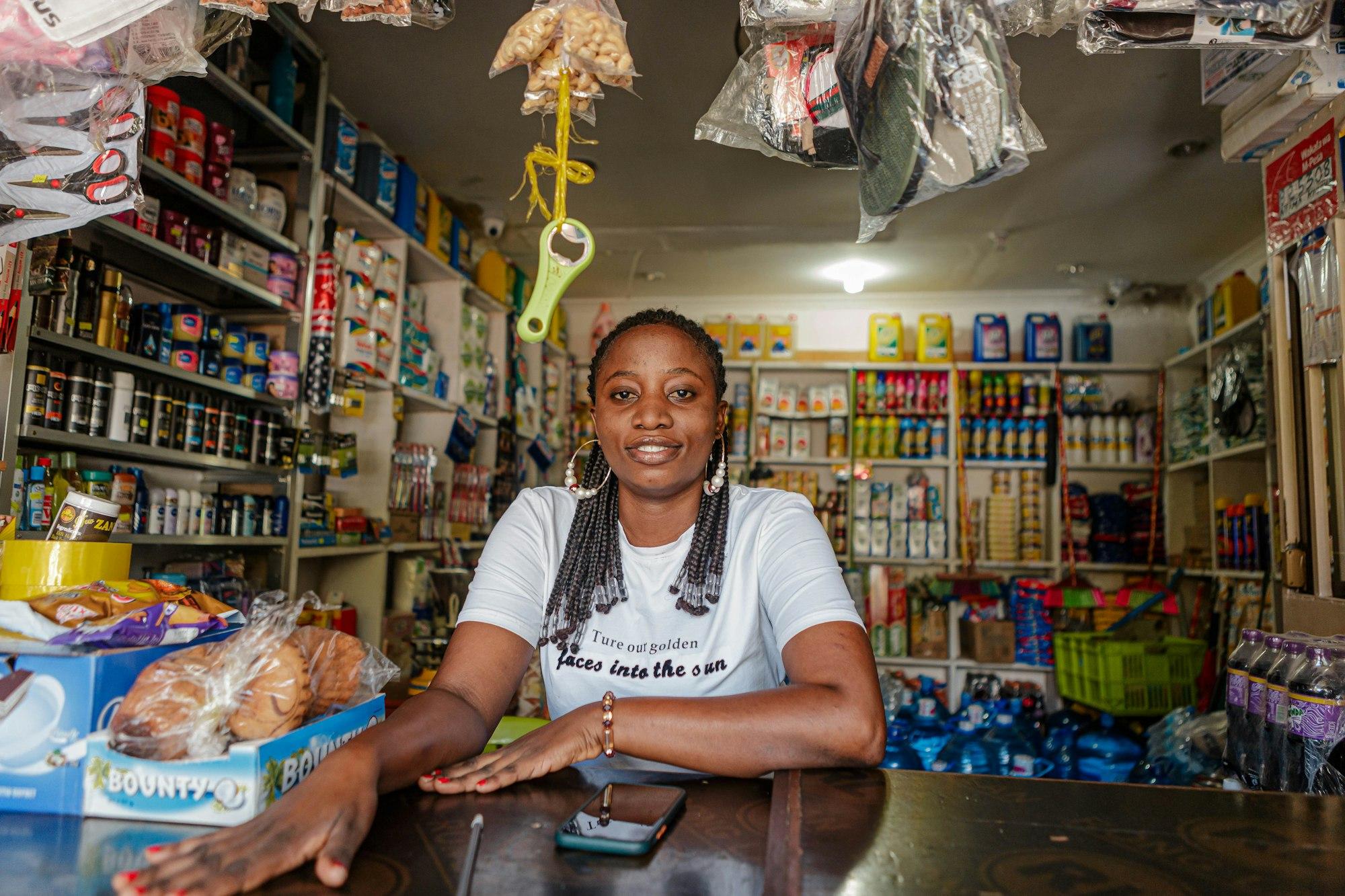
Priority groups
- Women experiencing severe economic hardship, including those who beg or collect recyclable materials to survive.
- Women who earn income by carrying loads for traders and customers in local markets — alabaru.
- Petty traders seeking to stabilise or expand their small businesses.
Programme activities
- Community outreach and identification of eligible participants.
- Basic business skills and money-management training.
- Personal development and confidence-building sessions.
- Seed funding or business start-up support, subject to available resources and programme criteria.
- Follow-up support, to understand business continuity and participant progress.
Back-to-School Initiative.
Helping children access education and stay engaged in learning.
The Initiative supports primary and secondary school students whose families face financial barriers to education.
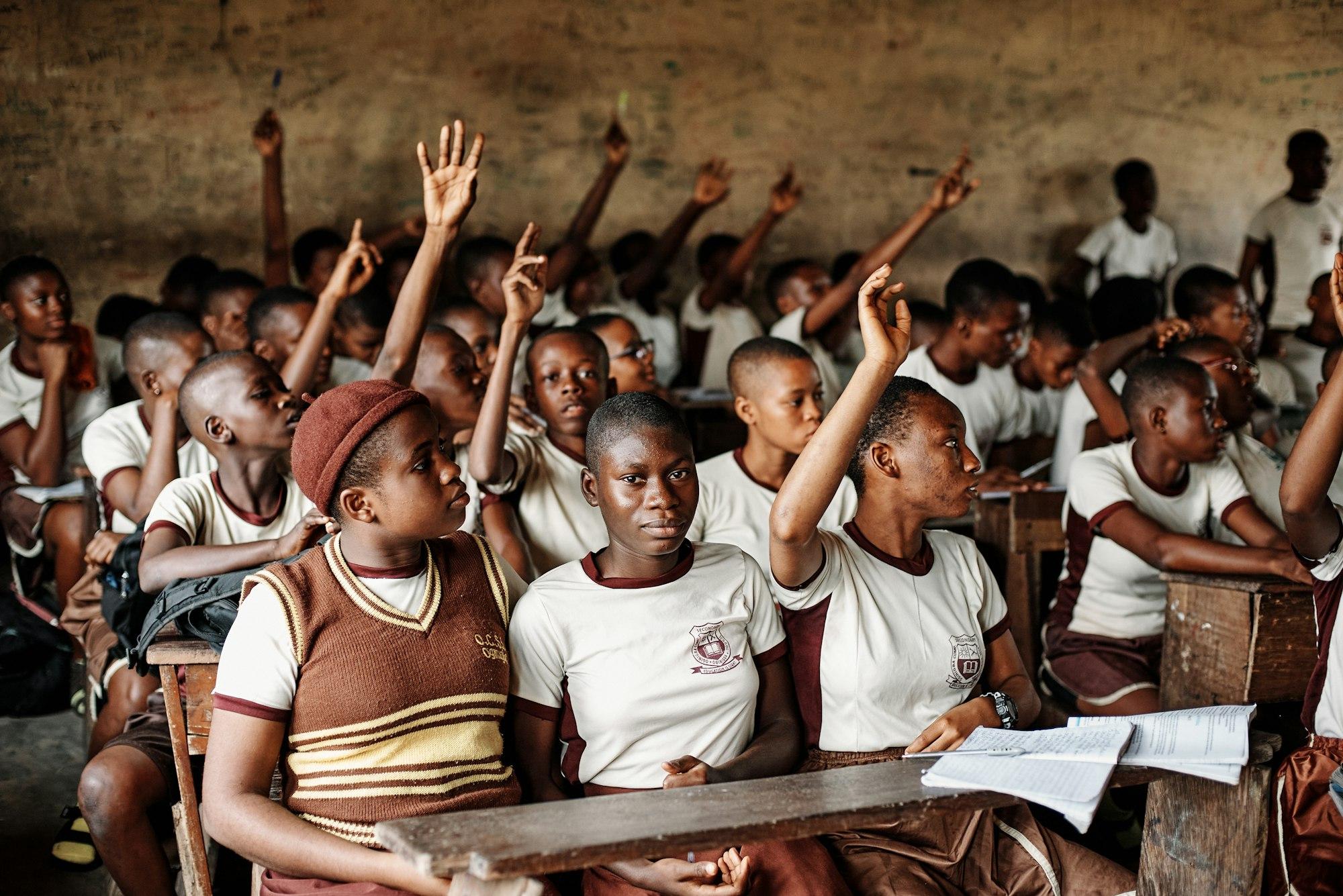
What the support includes
- Full or partial scholarship support for eligible students.
- School essentials: uniforms, textbooks, exercise books, shoes, socks, school bags, writing materials and sportswear.
- School meal support, delivered through a school-accredited food vendor arrangement where that model is in place.
- After-school tutorials for students who need additional learning support.
Our aim is to reduce the practical barriers that prevent children from attending school, participating fully and progressing in their education.
Support a child’s educationSponsor school essentialsPartner with a school
Empowered Student Hygiene.
Supporting healthier school environments through hygiene education and essential supplies.
The programme works with primary and secondary school communities to raise awareness of personal hygiene and provide basic hygiene packs to students.
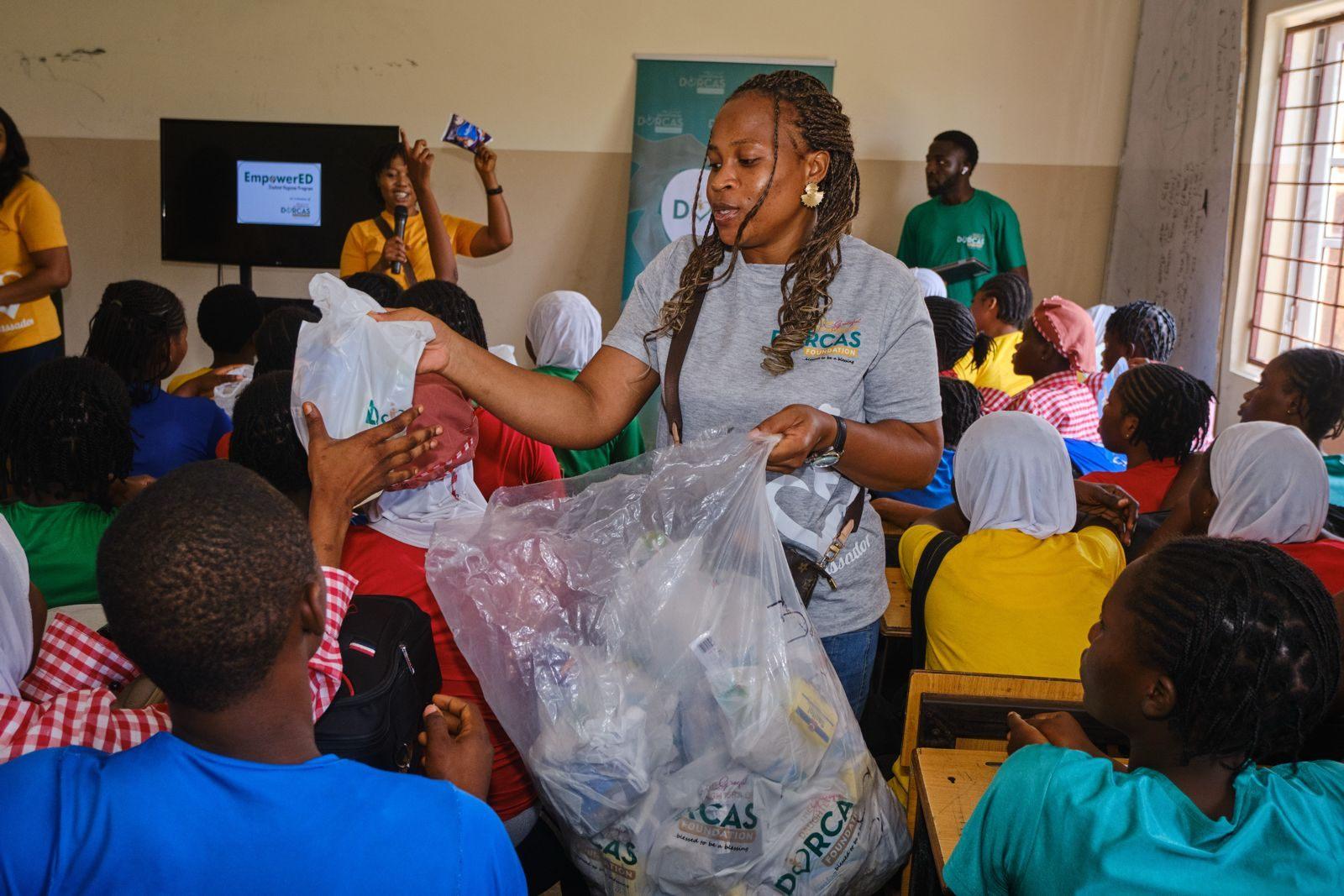
What a pack may contain
- Soap
- Toothpaste and toothbrushes
- Toilet rolls
- Sanitary pads
- Shaving sticks
- Deodorant
Contents depend on students’ needs and on what each distribution is able to include. Programme activities may include school-based sensitisation, practical hygiene education and distribution of the packs.
Emergency Food Assistance.
Helping households meet immediate food needs during periods of hardship.
The foundation provides emergency food support, including basic raw food supplies, to families in need. This support is intended to ease immediate food insecurity and help households facing difficult circumstances.
Our impact.
We believe that meaningful impact should be visible, documented and accountable. Our programmes respond to immediate needs while helping women and children access opportunities that can improve their longer-term well-being.
Our impact areas
- Economic resilience
- Women receive practical support to establish or strengthen income-generating activities.
- Education access
- Children receive assistance that helps reduce financial and material barriers to schooling.
- Student well-being
- Children gain access to hygiene information and essential personal-care items.
- Household food support
- Families experiencing hardship receive basic food assistance.
The indicators we report
- Women enrolled in the Women’s Empowerment Series
- Women receiving seed funding
- Children receiving scholarships
- Students receiving school essentials or meals
- Students reached through hygiene education
- Hygiene kits distributed
- Households receiving food assistance
- Schools and communities engaged
Each figure is published with the reporting period it belongs to. We do not publish a number we cannot evidence, and partners may request the underlying programme report at any time.
Stories of change.
Each story sets out the context, the response, the change and the next step — what further support would help sustain progress.
A new start
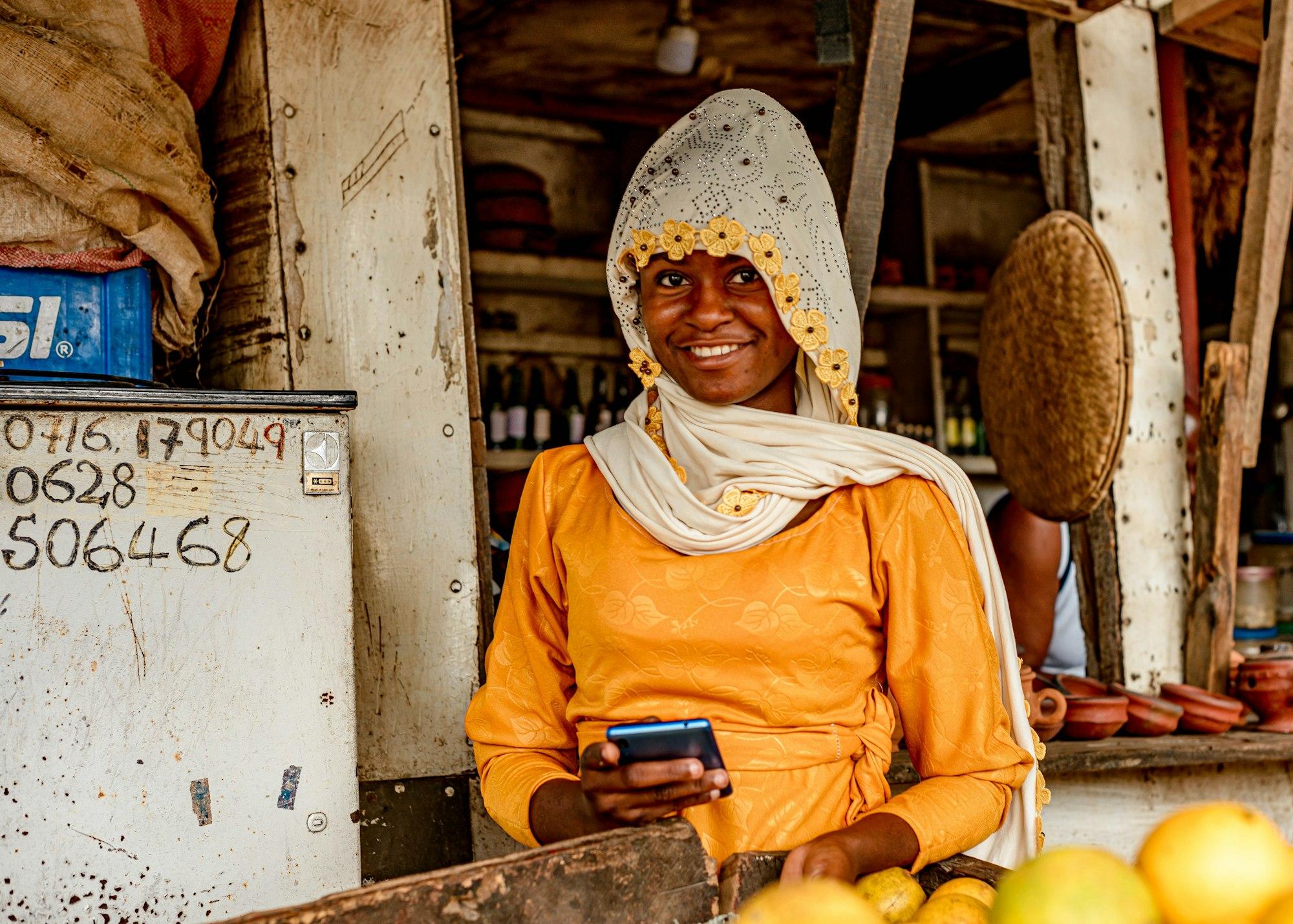
Through the Women’s Empowerment Series, women facing barriers to stable income can access practical business guidance and, where resources permit, seed support to start or strengthen a small livelihood.
Each participant’s journey is different. We document progress and lessons so that our programmes continue to respond to real community needs.
News and updates
Each post carries a date, the location where appropriate, the programme name, a concise description, verified outcomes, and photographs or quotations where permission has been obtained.
- Programme updates
- Community stories
- School and outreach activities
- Partner and donor acknowledgements
- Annual highlights and reports
- Volunteer stories
Sessions, as they run.
A Women’s Empowerment Series session, filmed during an outreach. Each session opens the same way, whatever the programme: the register first, then the work.
What will you
A practical intervention can open the door to lasting change. You can also volunteer with us.
make possible?